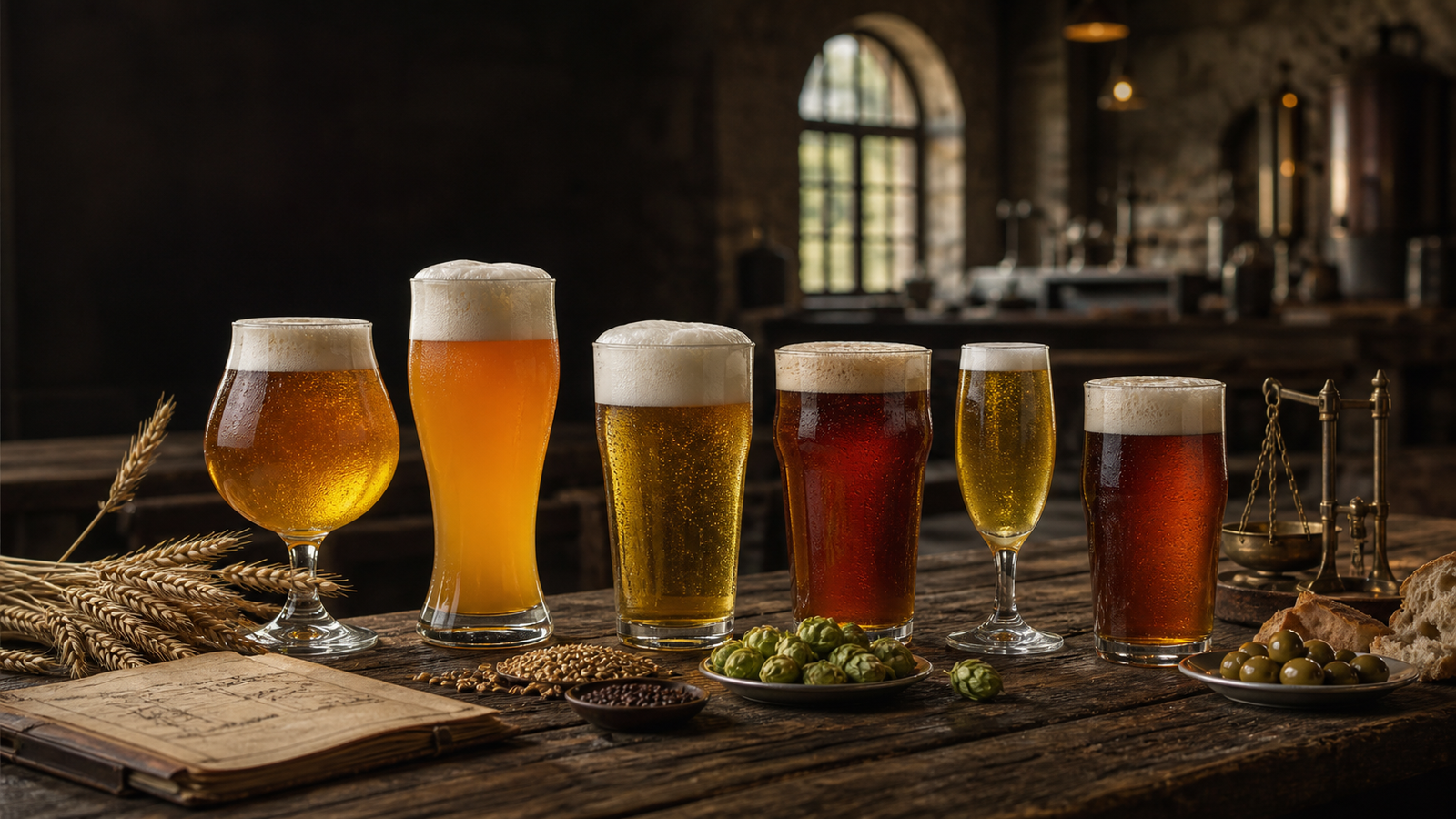
Beer is civilization’s foamy group project: grain, microbes, climate, faith, law, commerce and the human need to sit down together.
Beer is full of productive confusions: ancient but technologically restless, local but travelling through global distribution, agricultural but shaped by laboratories. It can support a monastery, carry a country’s identity, continue a family’s inheritance or send one brewer into a warehouse with an unreasonable quantity of hops. Ordinary and inexhaustible: that is why I love it.
I do not love every beer, and that is part of the point. A luminous Duvel, a cloudy Weihenstephaner wheat beer, a properly poured Pilsner Urquell, a restrained British bitter and a grapefruit-scented Two Hearted Ale offer different answers to the same question: what can grain, water, hops and microbes become when a place keeps working on them? Finding out is much of the fun.
I · The stories behind the labels
Three Belgian bottles and one useful misunderstanding
A monk, a devil and a pink elephant walk into a bar. Only one pays abbey royalties. Leffe, Duvel and Delirium Tremens look like neighbours in an enchanted Belgian village, but their stories are delightfully different. Here begins our tasting journey through six beer traditions, with a couple of northern detours. The labels already have opinions; we may as well have a sip.
Leffe Blonde is my friendly introduction: caramel malt, toasted bread, soft fruit and gentle spice. The abbey’s brewing history reaches back to 1240, while today’s beer comes from AB InBev’s commercial system. Royalties support the abbey, its upkeep and charitable work. The connection is real, even if the modern brewer’s working clothes are rather less flowing.
Duvel belongs to the Moortgat family brewery, founded in 1871. After the First World War, Albert Moortgat’s search for ale yeast took him to Britain; the strain he brought home helped shape a Belgian classic. Duvel means devil, although the beer looks angelic: pale, sparkling, with pear, citrus, pepper and a dry finish. Bottle fermentation and its generous tulip glass complete the performance. At 8.5 percent, this devil rewards an unhurried introduction.
Delirium Tremens supplies the pink elephant. Huyghe launched it in 1988, bringing fruit, spice and warming strength beneath blue foil and a wonderfully memorable label. Its family-brewery roots are older; its theatrical personality is thoroughly modern. Belgian imagination clearly did not retire with the Middle Ages.
Trappist describes who oversees the brewery and where its profits go, rather than one flavour. Westmalle Tripel is pale, fruity and spicy; Orval becomes earthier through its distinctive bottle fermentation; Chimay Blue is dark, rich and warming. One monastic tradition, three very different reasons to reach for a glass. Familiar bottles open doors; there is no tasting exam at the other end.
II · Deep history
Beer before monks, markets and nations
Beer began long before monks, markets or modern nations. Nobody can confidently name its inventor: grain, water and wild microbes had plenty of opportunities to meet. People learned to repeat the happy accident, and brewing became a useful—and enjoyable—part of everyday life.
By around 3000 BCE, Egypt’s royal brewery at Abydos was making beer on an astonishing scale. Mesopotamians recorded beer rations on clay tablets and celebrated Ninkasi, their beer goddess. Kings, workers and worshippers all found a place for it. Beer even acquired paperwork remarkably early.
The story stretches well beyond those ancient river valleys. Around 5,000 years ago, brewers in China used grains and tubers; centuries before monasteries, Celtic communities were deliberately making malt. Different landscapes supplied different ingredients. Regional beer was regional long before anybody printed a map on a can.
At Roman Vindolanda in Britain, an officer wrote asking for more beer because his soldiers had none. Two thousand years later, the message remains admirably clear: please send another round. Brewing was already a craft, a business and a social habit when monks joined in. Early beers could use herbs and spices rather than hops; this enormous family has always enjoyed trying another flavour.
The evidence cabinet
Beer leaves better clues than legends
Royal vats, beer accounts, a thirsty Roman garrison and a monastery drawn on parchment: a few snapshots from a very long drinking story.
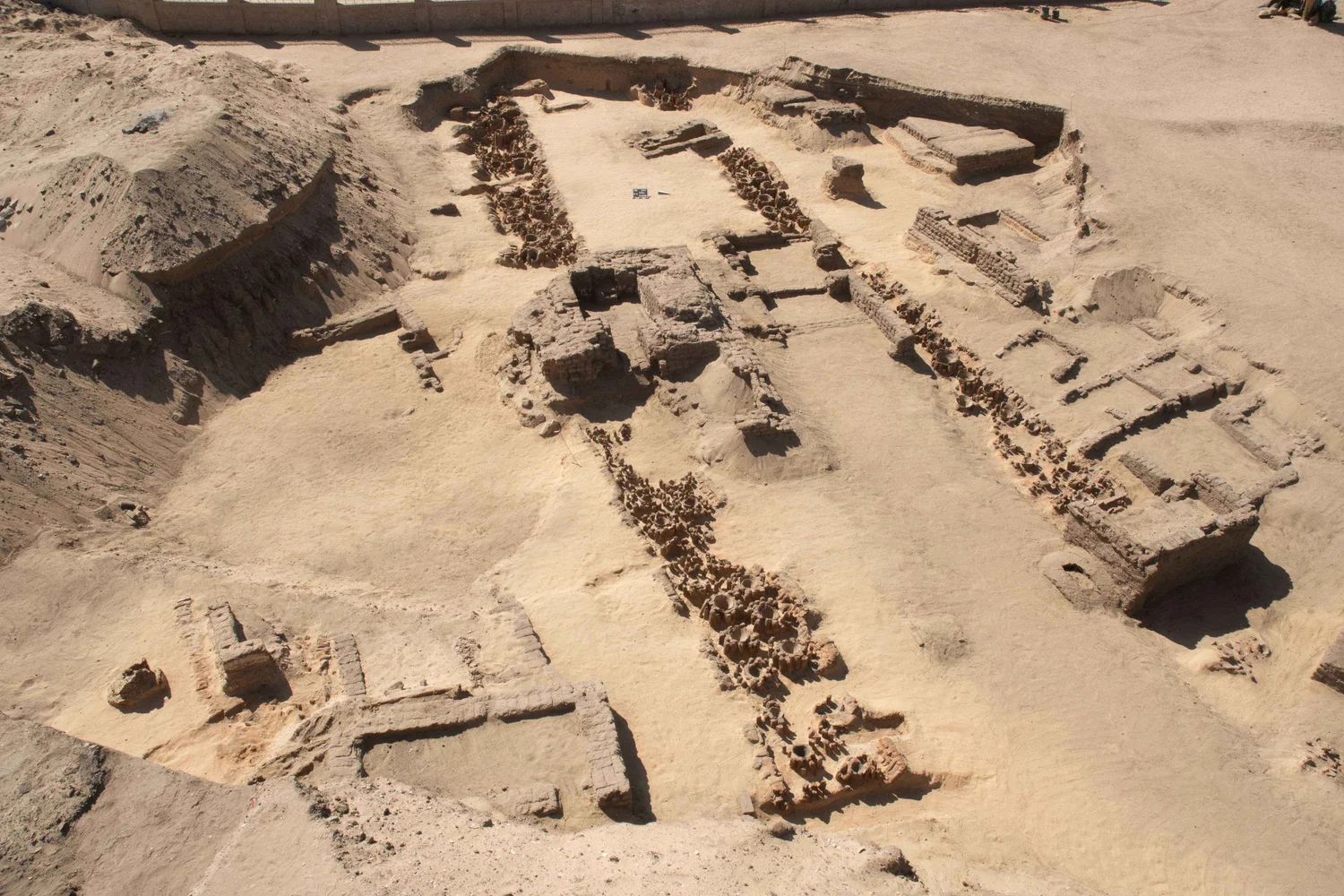
Abydos royal brewery · c. 3000 BCE
Rows of heated ceramic vats turn beer from a residue into a visible production system.
Abydos Archaeology © 2022Beer allocations · late 4th millennium BCE
The tablet makes beer legible as administration: quantities, recipients and an economy recorded in clay.

Vindolanda tablets · Roman Britain
A frontier officer’s request for beer reveals a real military supply chain—and a timeless workplace emergency.

Plan of Saint Gall · c. 820
Three planned brewery-bakeries served brothers, important guests, and the wider household. It was a design, not proof of three completed breweries.
Digitization: e-codices (CC BY-NC)III · Ora, labora, fermenta
Why monks brewed—and what theology actually permits
Monks inherited a craft already practised in households and on large estates. What abbeys added was staying power: land, skilled workers, records, storage and the patience to improve a beer across generations. A brewery could survive its brewer, preserve what worked and give the next generation somewhere sensible to start.
Why beer? Across northern Europe, barley, oats and rye were often easier to grow than grapes. Monasteries already had farms, mills, bakehouses, water supplies and cellars. Brewing turned that grain into everyday provision for a substantial household: brothers, workers, guests, pilgrims and people receiving charity. Surplus sales could help pay for buildings and hospitality. A good pint had several jobs before anyone called it a business model.
A blueprint, then bricks and flues
The Plan of Saint Gall, drawn around 820, imagined three brewery-bakeries: one for the brothers, one for important guests and one serving pilgrims, the poor, the sick and the wider household. Brewing belonged beside baking, milling and storage in the monastery’s daily life. Feeding everyone took organisation; apparently, a sensible blueprint also made room for their beer.
At Castle Acre Priory in Norfolk, the remains of a probable malthouse and brewhouse supply the bricks and flues: a place where grain, water, heat and hard work became something useful to drink. Choir monks could oversee the enterprise while lay brothers, millers, maltsters and hired brewers handled much of the recurring labour. The cheerful friar on the label represents quite a team.
The Rule of St. Benedict gives the work its purpose: manual labour, hospitality and restraint. It discusses a wine allowance while discouraging excess; beer fits the broader practical life of feeding people and welcoming guests. Its religious role was everyday and ethical, while wine had a separate sacramental role. Brewing something well could help a community live well. That is a fairly agreeable assignment.
Beer also supplied calories and stored some of grain’s value; heating wort could reduce microbial hazards. People still drank water and valued good sources. Medieval beer earned its place through nourishment, flavour, keeping qualities and custom. Even a monk deserved more than a one-line explanation for enjoying his drink.
The modern distinction survives in the ownership. Trappist breweries operate near an abbey under monastic supervision, with surplus serving solidarity or charitable purposes; monks need not turn every valve. Leffe’s commercial royalties offer another arrangement, while La Trappe helped support the foundation at Koningshoeven in the Netherlands. Beer could fund a welcome, a building or a good cause. The interesting question beneath the foam is what the profit is for.
IV · Grain becomes an argument
How beer works
Grain holds starch; yeast wants sugar. Brewing introduces them, then lets hops, water and time help shape the result. Four main ingredients, a little patience and a brewer with an opinion: here is how a field becomes a pint.
Malt: bread, color and potential alcohol
Malt is grain encouraged to sprout, then dried, making its starch easier to turn into brewing sugars. Pale malt tastes of bread; darker malt brings toast, caramel, coffee or cocoa. Barley leads, wheat adds softness and foam, oats silkiness and rye spice. Rice can lighten a lager; sugar can keep a strong Belgian ale surprisingly dry. Each has a job in the glass.
The recipe before the recipe
Four ingredients, several universes
The familiar quartet behind an extraordinary range of flavours.
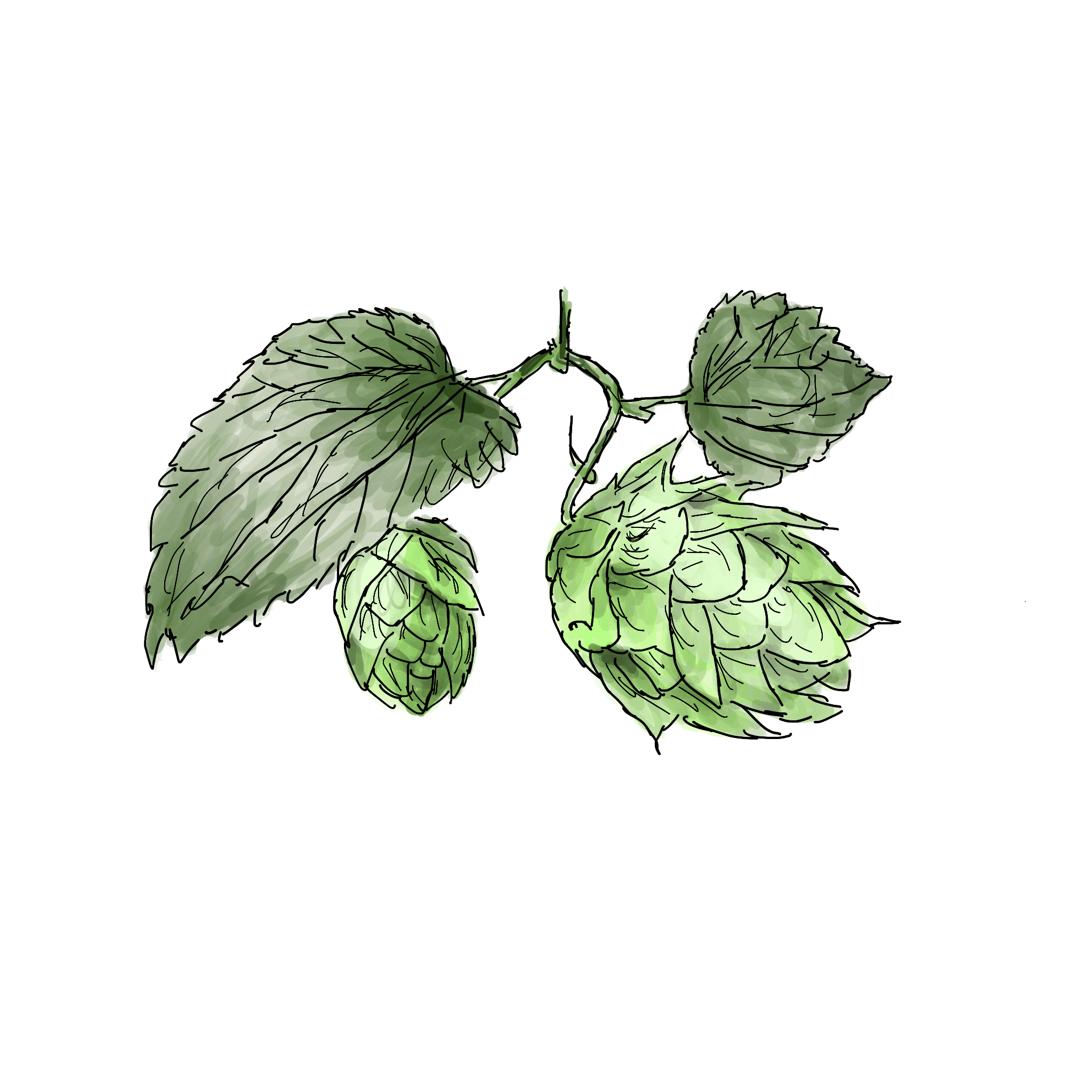
Hops
Bitterness, aroma, preservation—and the occasional tropical fruit ambush.
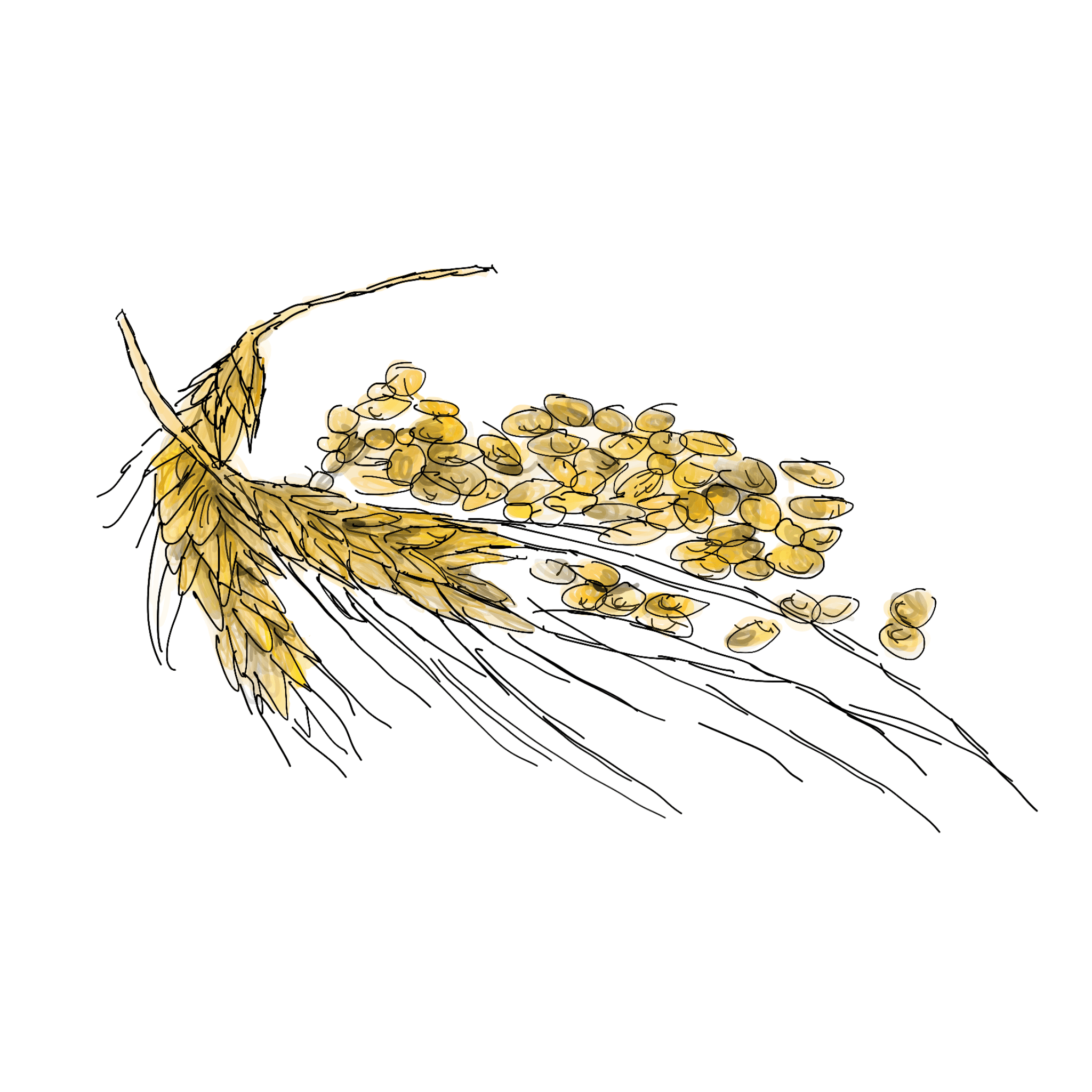
Malt
The source of sugar, color, toast, bread, caramel and body.

Water
Most of the glass, and an invisible influence on mash chemistry and flavor.

Yeast
The microscopic workforce that makes alcohol, carbon dioxide and character.
Mash, runnings and the brewer’s breakfast
Crushed malt meets warm water, turning starch into sugar and producing a sweet liquid called wort. The brewer separates it from the grain, then boils it with hops. Some German and Czech brewers boil part of the mash and return it—a traditional method called decoction that can deepen malt character. Its merits can keep brewers happily debating through the next round.
Hops: bitterness is only the beginning
Hops balance sweetness and supply aromas. Earlier additions to the boil bring bitterness; later additions and dry hopping bring more fragrance. Saaz can be herbal, British varieties earthy or floral, Cascade grapefruit-like, Centennial citrusy and piney, Citra or Mosaic tropical. Hops can whisper or make a grand entrance. Bell’s Two Hearted shows just how much one variety can say.
Yeast: the invisible national character
Yeast turns sugar into alcohol, bubbles and flavour. Ale usually ferments warmer, lager cooler; neither name tells you the colour or strength. Some strains stay discreet, others contribute fruit, pepper, banana or clove. Mixed cultures can add acidity and earthy complexity. Give the same wort to different yeasts and you get different beers. Tiny workforce, enormous influence.
Water: local destiny, until chemistry intervenes
Water makes up most of the glass, and its minerals help shape the flavour. Soft Plzeň water suited delicate pale lager; Burton’s sulfate-rich water helped British pale ale’s dry, hoppy character. Brewers can now adjust their water, so geography offers a starting point rather than a fixed recipe. Local supplies still helped write the early tasting map.
Fermentation, conditioning and the last mile
Give yeast time, let the beer mature and serve it in good condition. Lager enjoys cold storage; British cask ale and Belgian bottle-conditioned beer develop in their serving vessels. Some strong dark ales reward age, while fresh lager and hop-forward beer usually reward prompt attention. Cool storage, protection from light and clean glasses bring the brewer’s work to its happy conclusion: the first sip.
Inside a working brewery
From copper to cold cellar
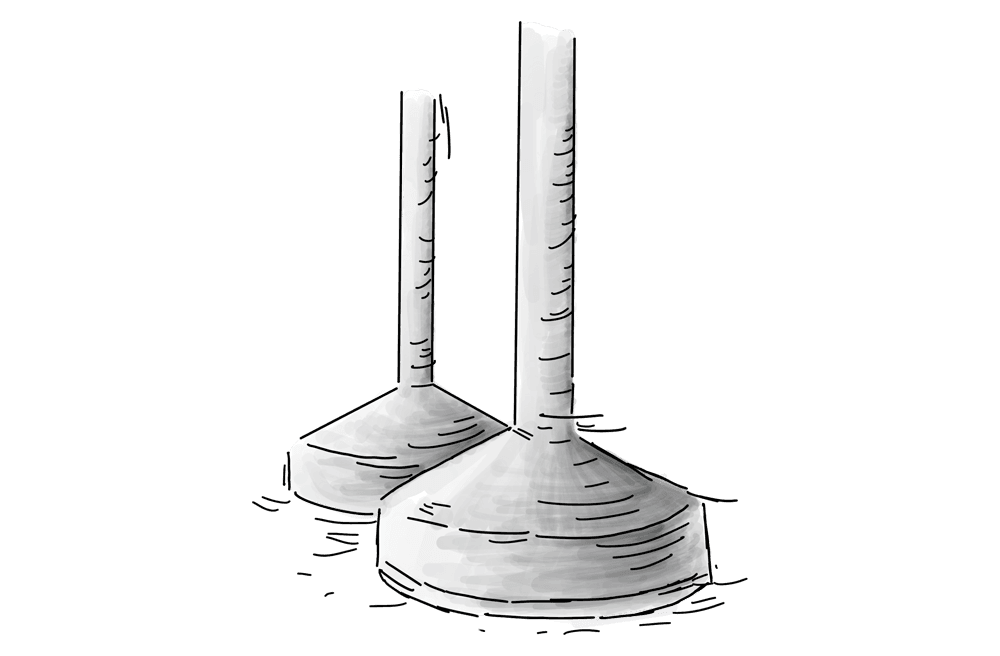
Brewhouse
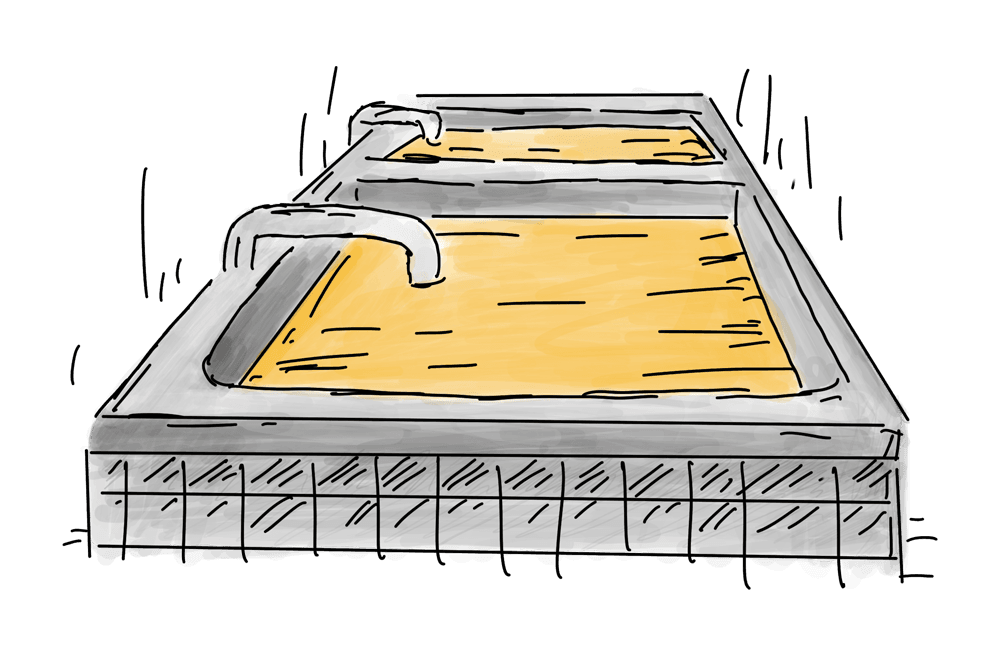
Wort and fermentation

Storage cellar
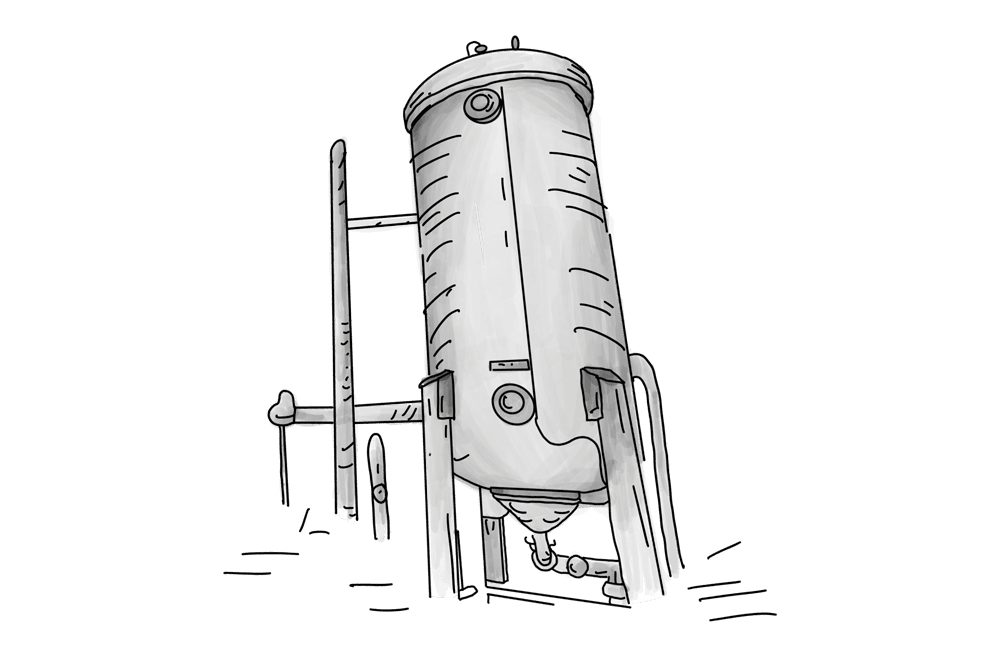
Filter system
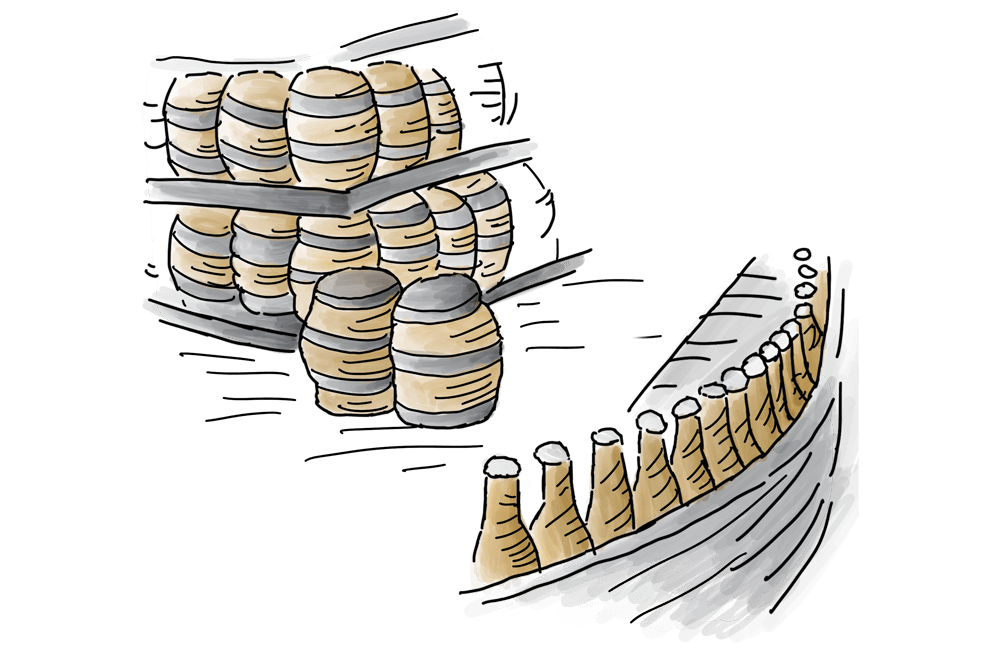
Bottling and packaging
The quality-control department
One Trappist beer, ten illustrated steps
Chimay’s grain-to-bottle sequence
Chimay’s own diagrams follow the journey from grain to bottle, including its final bottle fermentation.
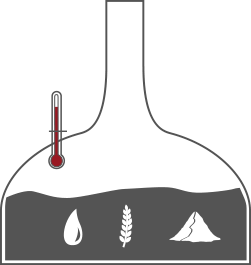
1 · Mashing
Milled malt meets water and enzymes release fermentable sugars.

2 · Wort filtration
The sweet wort separates from the spent grain.
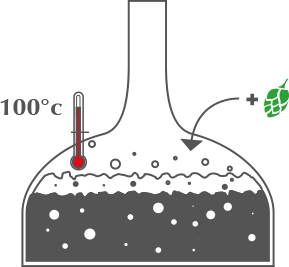
3 · Boiling and hops
Heat sterilizes the wort while hops add bitterness and aroma.
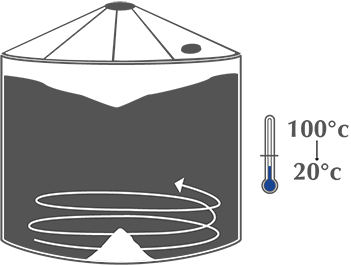
4 · Clarifying and cooling
Solids are removed and the wort is cooled for yeast.

5 · Fermentation
Yeast converts sugars into alcohol, carbon dioxide and flavor.
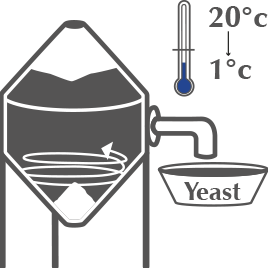
6 · Centrifuging and cooling
The young beer is clarified and readied for maturation.

7 · Cold storage
Time at low temperature lets rough edges settle.

8 · Preparing for the bottle
Fresh yeast and sugar prepare the beer for refermentation.
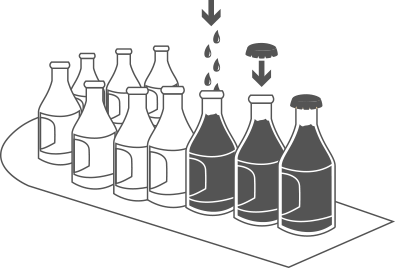
9 · Bottling
The beer enters the package that will become its final cellar.
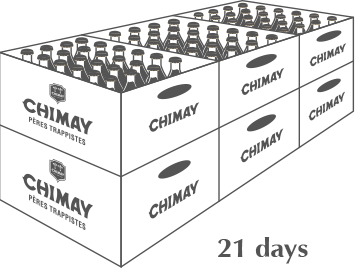
10 · Bottle refermentation
Secondary fermentation naturally carbonates and develops the beer.
V · A selective atlas
Six schools of beer
These countries make a useful tasting map: different ingredients, methods, institutions and drinking customs give each a recognisable character. Brewers borrow freely, and yeast remains cheerfully uninterested in passports. A German wheat beer and an American Belgian-style wit can both send us somewhere interesting. Every tradition offers another answer to the pleasant question: what shall we try next?
Belgium: where yeast is allowed to misbehave
Belgium gives beer a spectacular wardrobe: Trappist ales, saisons, witbiers, lambics, gueuzes and strong golden ales, alongside everyday lagers. Its gift is room for many brewing philosophies to flourish together. Expressive yeast, bottle fermentation, spices and sugar all help. Duvel sparkles; Westmalle Tripel brings fruit and pepper; Chimay Blue warms the evening. Wheat beer adds softness and citrus, while Saison Dupont offers a dry, farmhouse freshness.
Lambic takes another route: the brewery’s surrounding microbes start fermentation, followed by patient ageing in wood. Blend young and old lambics and you get gueuze; add cherries and you can get kriek. The bright acidity and complexity come from years of care. Spontaneity, it turns out, can require an exceptionally organised cellar.
Glassware joins the performance. Chalices, tulips and goblets give foam and aroma their stage; every beer seems to have a favourite outfit. Begin with Leffe, Duvel or Delirium, then let each bottle suggest another. Belgian beer makes choosing your favourite an ongoing project, preferably with something good to eat.
Belgium · The visual shelf
Abbey, Trappist, farmhouse—and two secular troublemakers

Leffe Blonde
Rich caramel malt, toasted bread, honey, soft fruit and an abbey brewing history reaching back to 1240.
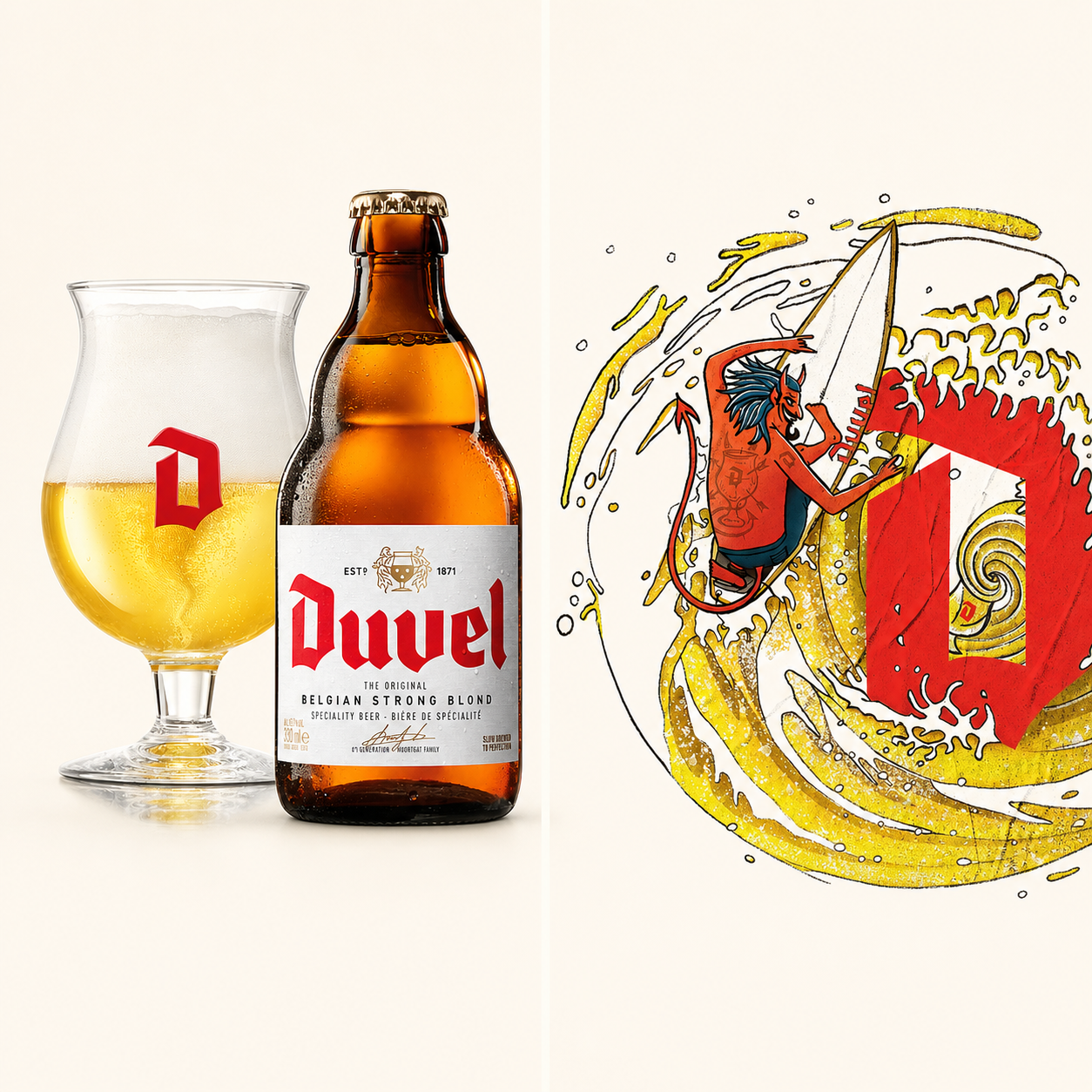
Duvel
Natural, subtly bitter and distinctly hoppy; bottle refermentation and long maturation give Duvel refined flavor, delicate effervescence, a pure finish and gentle alcoholic warmth.
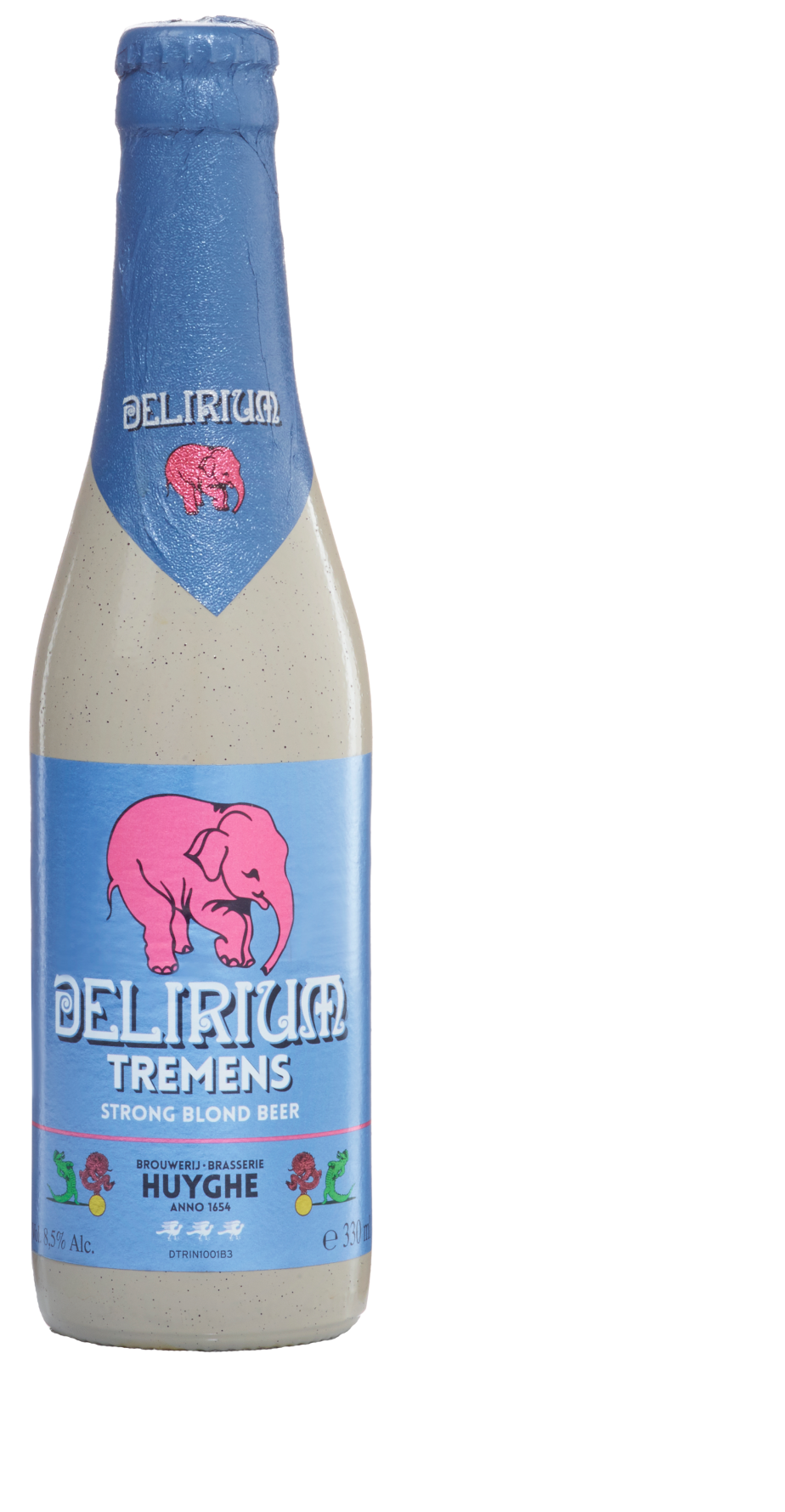
Delirium Tremens
Three yeasts, blue foil and the most recognizable pink elephant in brewing.
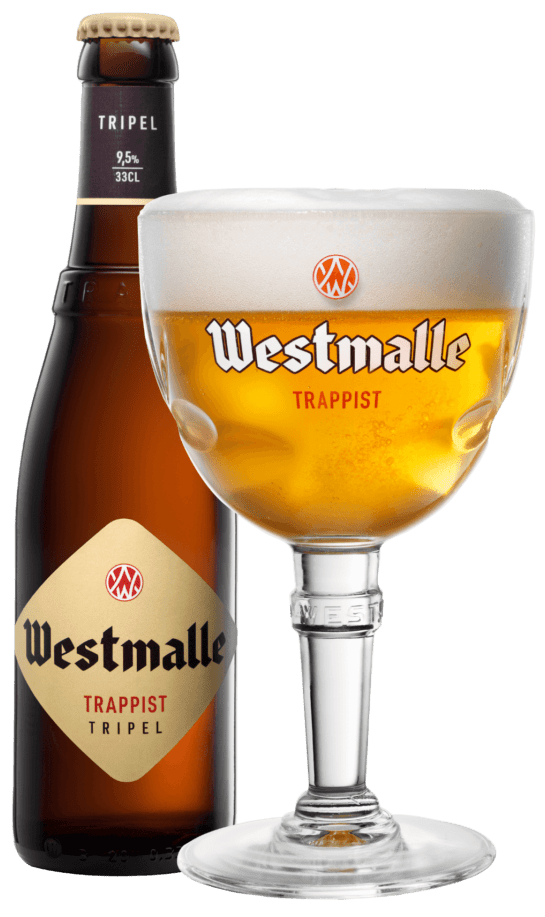
Westmalle Tripel
The monastic benchmark whose fruit, pepper and dryness defined a style.
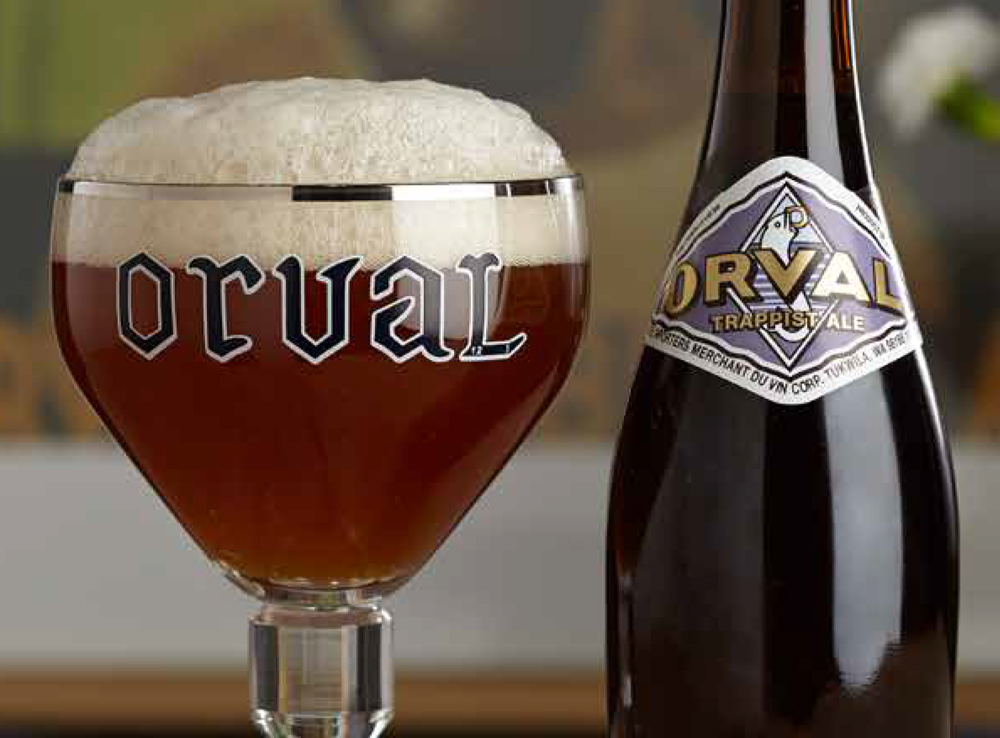
Orval
Dry, bitter, bottle-conditioned and transformed over time by Brettanomyces.
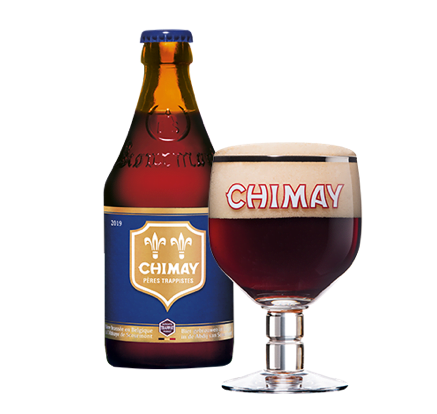
Chimay Blue
Dark fruit, caramel and a living example of certified Trappist economics.

Saison Dupont
The dry, peppery farmhouse classic that makes rustic taste remarkably precise.
Photo: Jmcstrav · CC BY-SA 3.0Germany and Bavaria: four ingredients, centuries of craft and a generous head of foam
Germany makes a persuasive case for getting familiar ingredients just right. The Bavarian rule of 1516 named barley, hops and water; yeast’s role was still a mystery. It also dealt with prices and grain supplies, before becoming a lasting symbol of brewing identity. Centuries of malt craft, fermentation and patient cold conditioning gave that identity its flavour. Four ingredients can keep a tasting flight remarkably busy.
Helles is soft and welcoming, pils crisp and bitter, Dunkel full of toasted bread, and Hefeweizen lively with banana and clove. Hofbräu Original and Augustiner Helles demonstrate quiet excellence; Hofbräu Maibock adds springtime strength. Ayinger Celebrator offers dark doppelbock richness, and Schlenkerla Märzen brings a smoky fireside mood. Germany’s beer wardrobe contains considerably more than one white shirt.
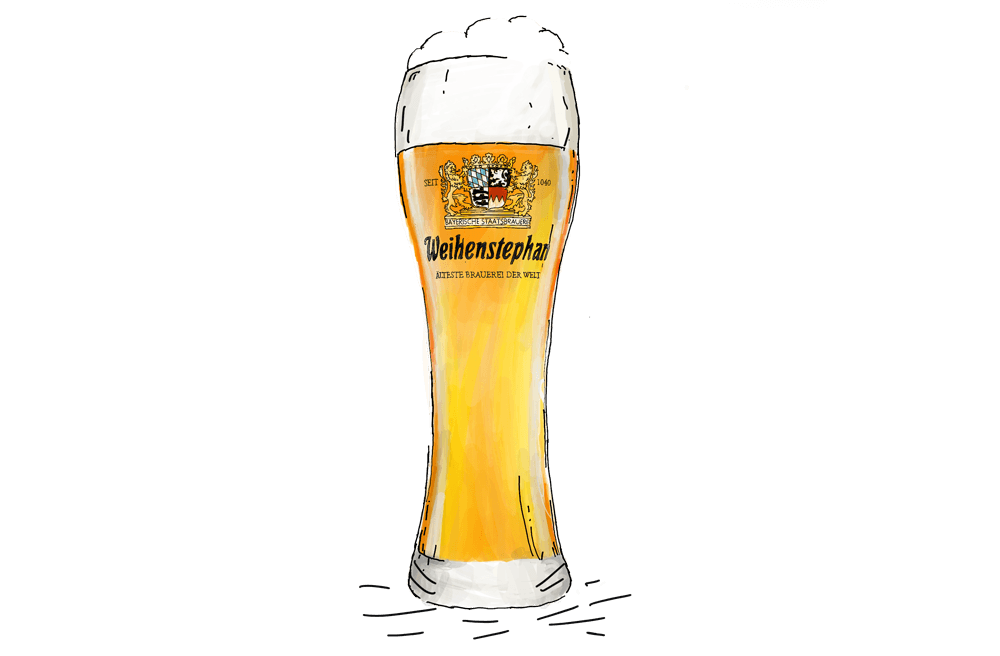
Hofbräu began in 1589 to supply the Bavarian court and is now owned by the Free State of Bavaria. Weihenstephan has Benedictine roots and continued as a state brewery after secularisation in 1803; its celebrated 1040 brewing claim remains debated. In the glass, Weihenstephaner Hefeweissbier is wonderfully direct: wheat, banana, clove and magnificent foam. Monastery, royal court and modern brewing school all leave something to taste.

Bavaria · A very old hill with very modern tanks
Weihenstephan from above
Benedictine roots, a famous 1040 brewing claim and Bavarian wheat beer with banana, clove and a magnificent head. The earliest date is debated; the pleasure in the glass is easy to appreciate.
Germany · The visual shelf
Lager discipline, wheat-beer perfume and one smoked ambush
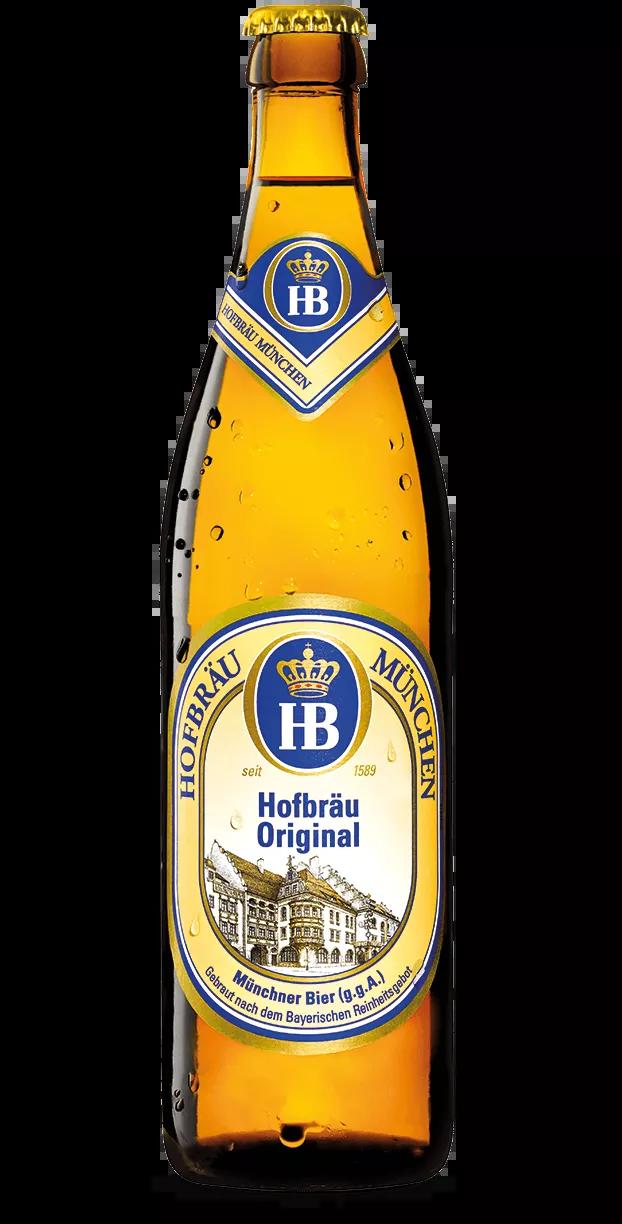
Hofbräu Original
A clean, lightly bitter Munich Helles from Bavaria’s state-owned brewery.
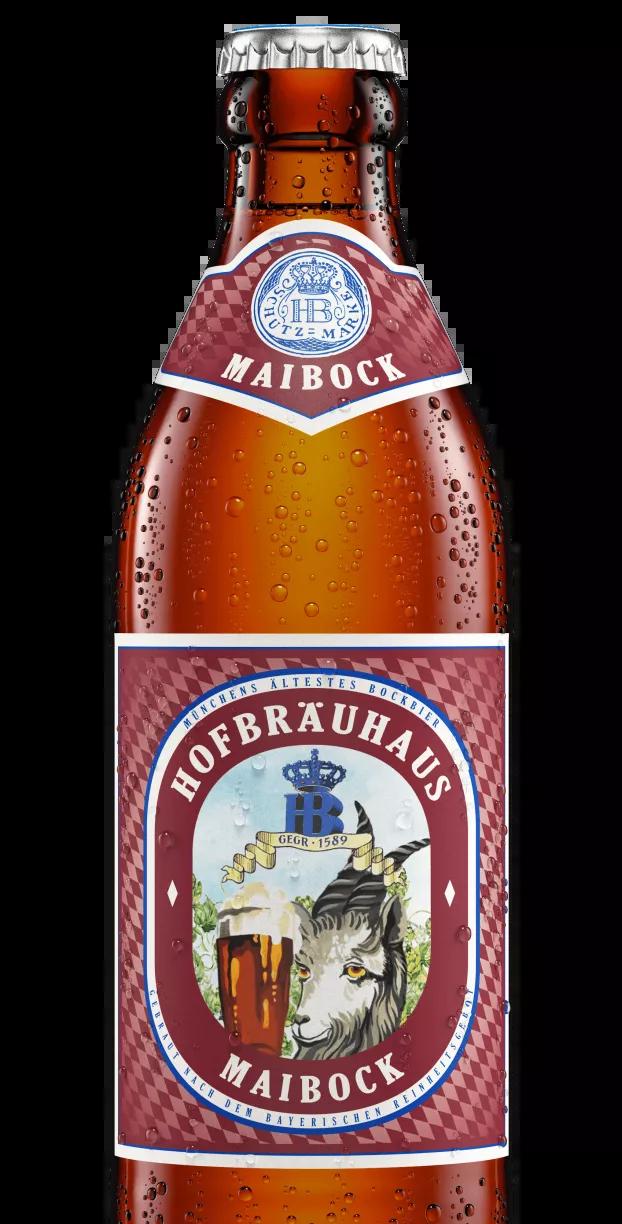
Hofbräuhaus Maibock
The properly spelled answer to “Malbock”: strong spring malt with lift and bite.
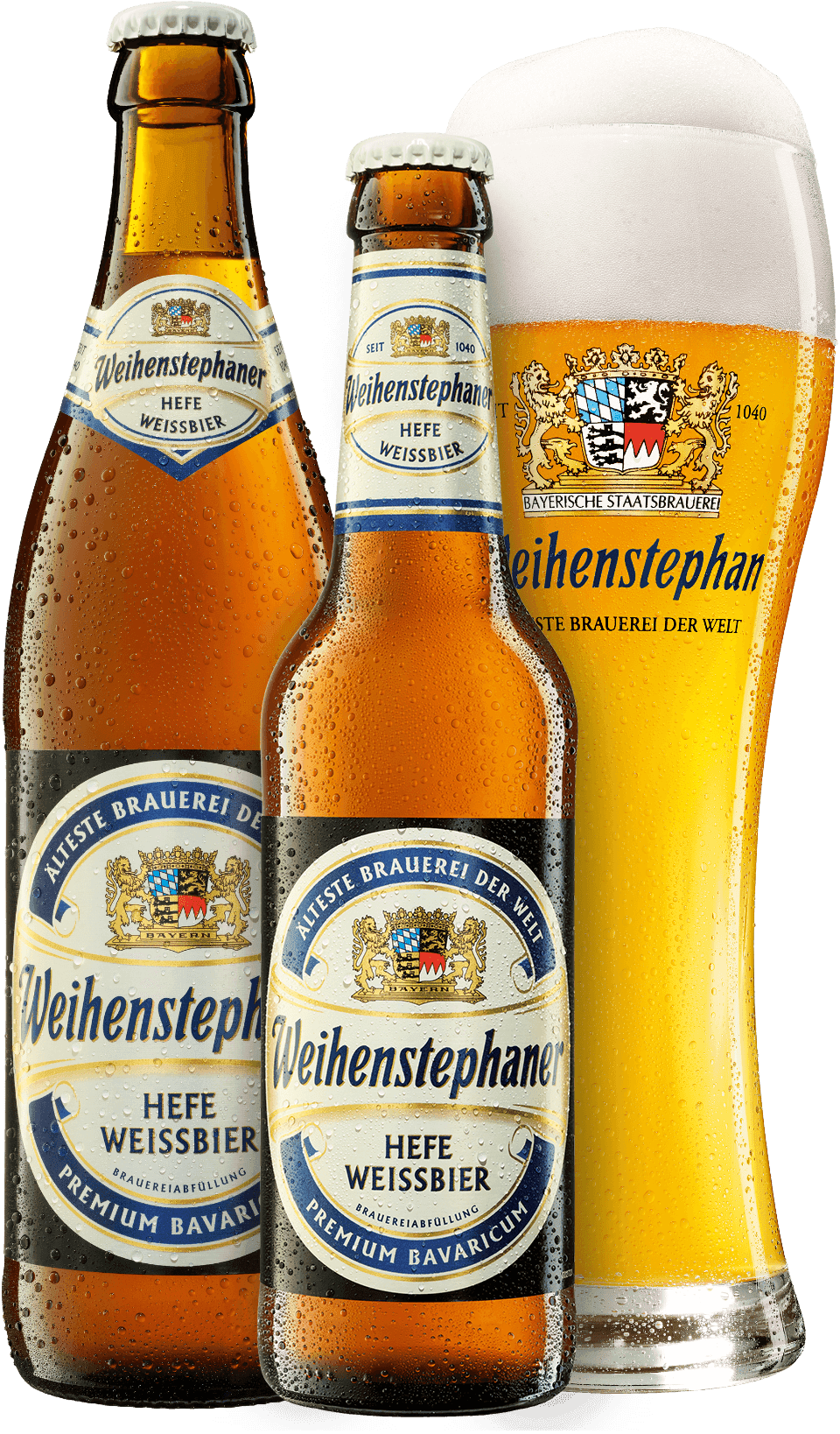
Weihenstephaner Hefeweissbier
Wheat, banana, clove, bread and a head of foam with architectural ambition.
Augustiner Lagerbier Hell
Quiet Munich excellence: pale malt, softness and no need to shout.
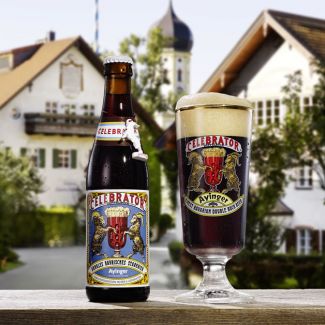
Ayinger Celebrator
Doppelbock as dark bread, dried fruit and restrained sweetness.
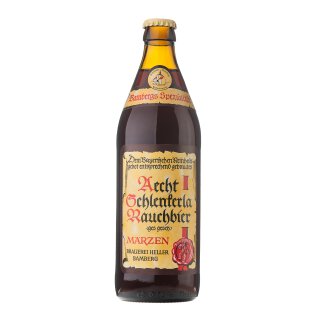
Schlenkerla Märzen
Smoke, bacon, hearth—and the suspicion that somebody brewed near a bonfire.
Oktoberfest: when Munich turns up the music
Munich’s Oktoberfest began with the 1810 wedding celebrations of Crown Prince Ludwig and Princess Therese. The party kept returning, becoming the world’s largest folk festival and its most famous beer celebration. The mayor taps the opening keg; music, food, dancing and enthusiastic cries of Prost! take care of the atmosphere.
In 2025, organisers estimated 6.5 million visitors and 6.5 million litres of beer. One-litre Maß mugs make the scale visible, while servers carry astonishing clusters through the tents. Hofbräu and Augustiner are among the six Munich breweries supplying the festivities. German brewing precision clearly enjoys a singalong.
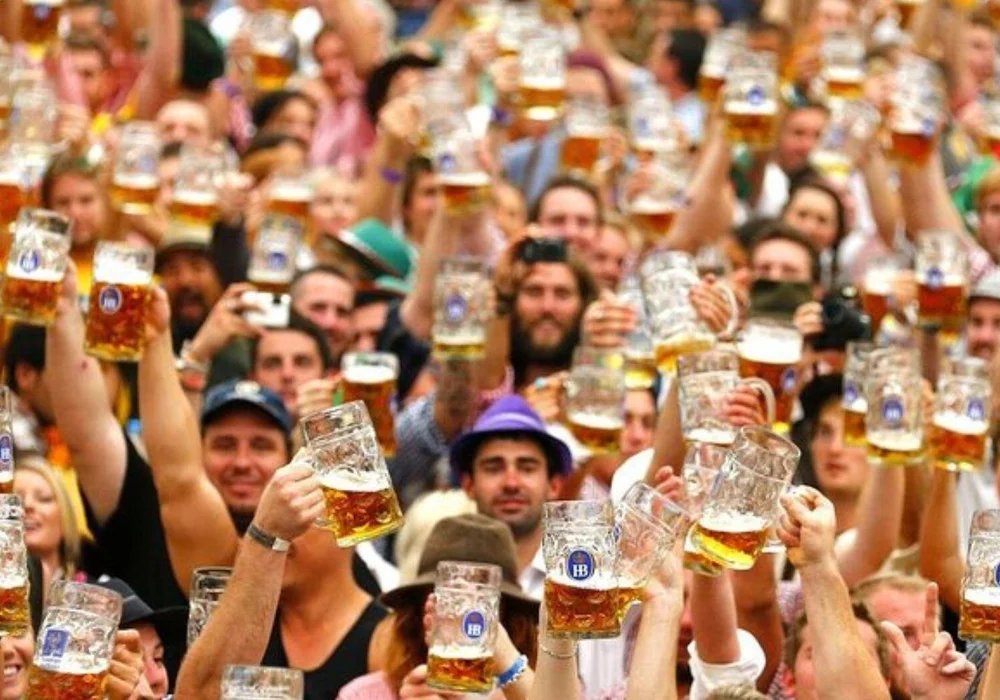
Prost! A sea of raised Maß mugs, cheerful faces and Bavarian festival spirit.
Czechia: the country that invented the beer everyone else calls beer
In 1842, Bavarian brewer Josef Groll brought pale malt, soft Plzeň water, Saaz hops and cool fermentation together at the brewery now known as Pilsner Urquell. Its clear golden lager became the model much of the world followed. Freshly poured, the original still carries rounded malt and lively bitterness; Czech examples often feel fuller than the drier German pils. A familiar-looking glass can contain a surprisingly lively argument.
Try Pilsner Urquell alongside state-owned Budvar Original and Bernard Unfiltered. Budvar carries another Czech story: Budweiser originally described beer from České Budějovice, helping explain the long-running naming dispute. Meanwhile, tapsters make foam part of the pleasure. A full hladinka, smaller šnyt or almost-all-foam mlíko gives the same beer a different feel. Czechia can deliver an entire tasting lesson wearing a white cap.
Czechia · The visual shelf
The original pilsner and its patient lager cousins
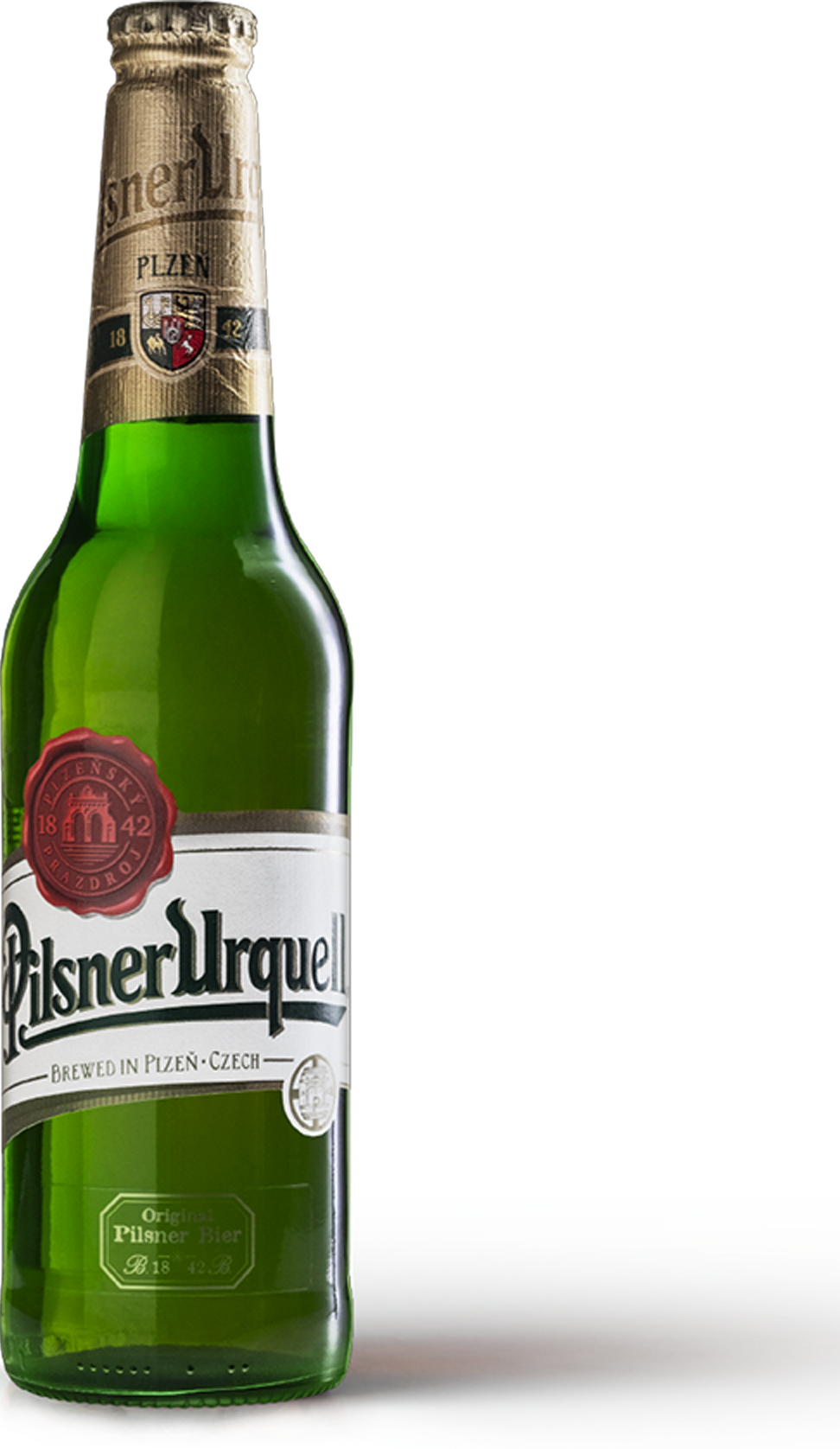
Pilsner Urquell
The 1842 beer whose name became an entire global category.

Budweiser Budvar Original
State-owned Czech lager with a famously complicated Budweiser name.
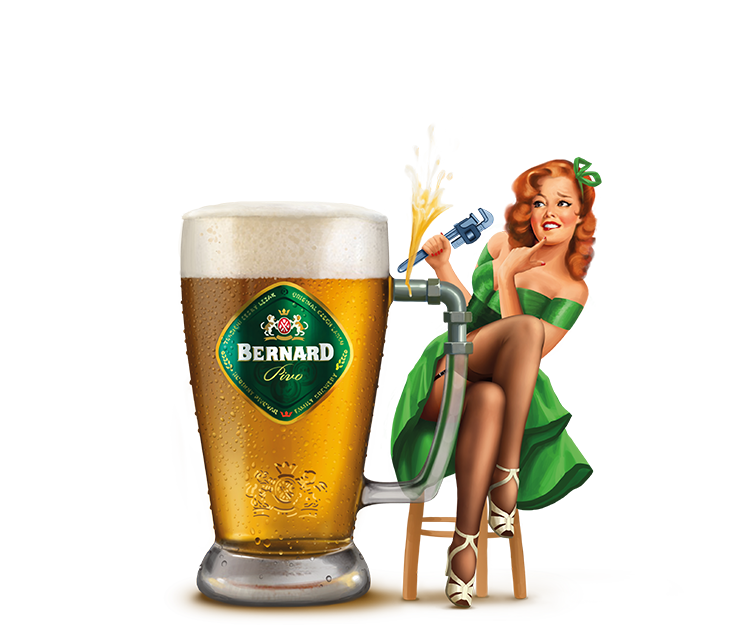
Bernard Unfiltered Lager
A fuller, yeast-present reminder that pale lager need not mean anonymous.
Britain: where the cellarman is part of the brewing process
British beer makes its strongest case through the pub. Cask ale finishes maturing in the vessel from which it is served, so careful cellaring gives the brewer’s work its final flourish. It arrives cool, gently sparkling and ready for conversation. Bitter balances malt, fruity yeast and earthy or floral hops; the name sounds more fierce than the pint often tastes. Timothy Taylor Landlord, Fuller’s London Pride and the darker Theakston Old Peculier offer three rewarding directions.
Adnams Ghost Ship pairs its Suffolk-coast story with citrusy American Citra hops; BrewDog Punk IPA takes that British-American exchange in a bolder direction. Ghost Ship’s alcohol-free sibling opens another door. Handpumps, modern IPAs and local favourites all belong here. Britain’s enduring lesson is that balance, freshness and setting can give a modest-strength pint plenty to say—especially when the next plate of food is on its way.
Britain · The visual shelf
Pub balance, old peculiarities and a ghost ship
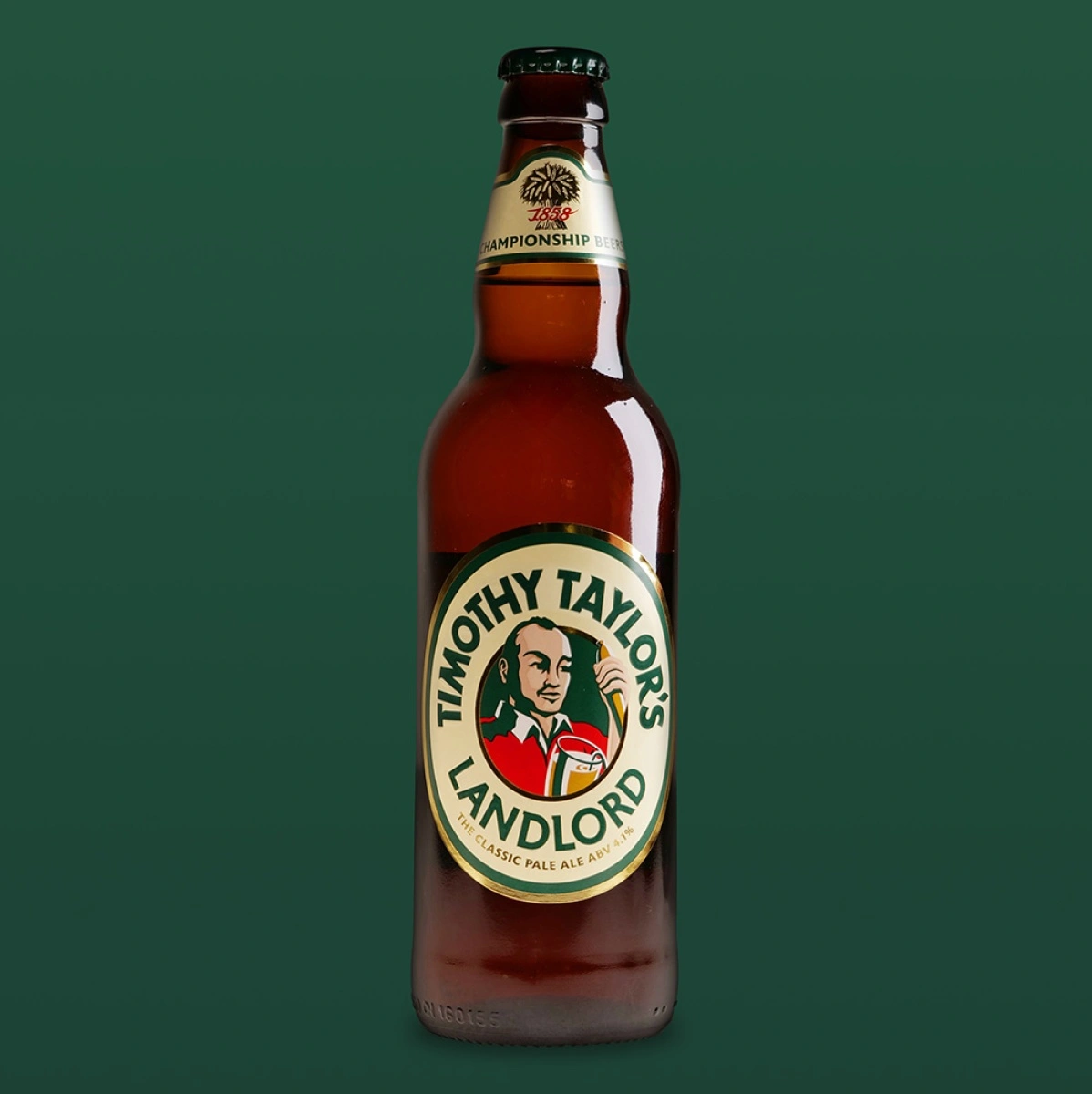
Timothy Taylor Landlord
Pale malt, fruit and firm bitterness in an English classic.

Fuller’s London Pride
A layered London bitter with malt breadth and English hop character.

Theakston Old Peculier
Dark, rich and proudly unwilling to spell peculiar the ordinary way.

Adnams Ghost Ship
Suffolk ghost stories meet American Citra hops; a strong modern bridge.

BrewDog Punk IPA
British craft rebellion, American-inspired hops and a now-corporate plot twist.
Southern Europe: cold lager, hot weather and something to eat
Spain and Italy may be famous for wine, but beer has a delightful assignment here: arrive cold, refresh the afternoon and get along with the food. A small Spanish caña with tapas asks something different of the brewer than a strong Belgian ale by the fire. This is a way of enjoying beer, rather than one uniform brewing style.
Barcelona’s Estrella Damm, founded by Alsatian immigrants in 1876, uses rice alongside barley malt to give its Mediterranean lager lightness. Madrid’s Mahou Cinco Estrellas, Alhambra Reserva 1925 and Estrella Galicia’s 1906 offer their own regional identities and degrees of malt richness. Family companies remain an important part of Spain’s brewing landscape, and ordering a sin or 0.0 makes alcohol-free beer an easy part of the occasion.
Italy brings Peroni, now part of Japan’s Asahi, and Heineken-owned Birra Moretti alongside lively independent interpretations. Birrificio Italiano’s Tipopils helped popularise a crisp, aromatic Italian pilsner, showing what fresh hop character can do for lager. Familiar refreshment and another invention can share the same terrace. Sunny afternoon, something delicious to eat, a fresh pour: a very convincing tasting environment.
Spain and Italy · The visual shelf
Mediterranean refreshment, from caña to Italian pils

Estrella Damm
Barcelona lager built for warmth, food and easy refreshment.
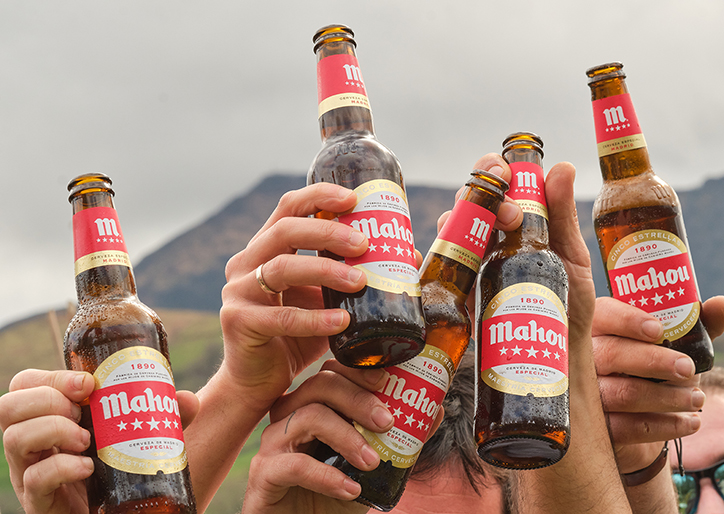
Mahou Cinco Estrellas
Madrid’s mainstream lager from a large family-controlled brewing group.
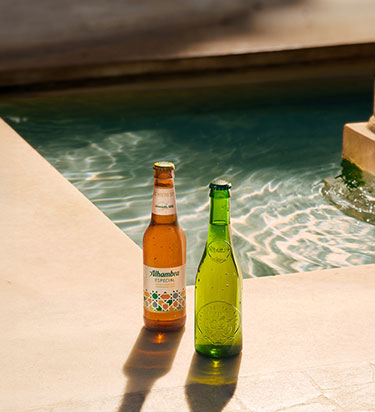
Alhambra Reserva 1925
A stronger, more malt-forward Spanish lager in its famous green bottle.

Estrella Galicia 1906 Reserva Especial
A robust amber lager from another durable Spanish family company.
Photo: Brenden Brain · CC BY-SA 3.0
Peroni Nastro Azzurro
An Italian national image carried worldwide inside Asahi’s portfolio.

Birra Moretti L’Autentica
Familiar Italian branding backed by Heineken’s global distribution system.

Birrificio Italiano Tipopils
The crisp, aromatic beer that helped define modern Italian pilsner.
Two deliberately brief northern detours
Carlsberg, Heineken and La Trappe
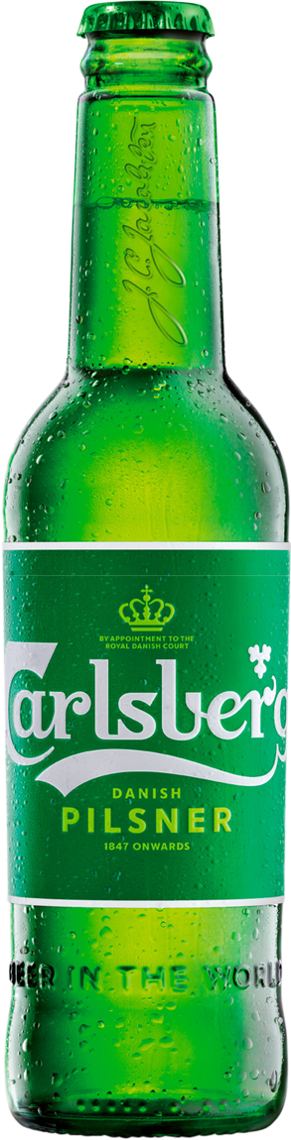
Carlsberg Danish Pilsner
A global lager attached to the laboratory that purified brewing yeast and invented pH.
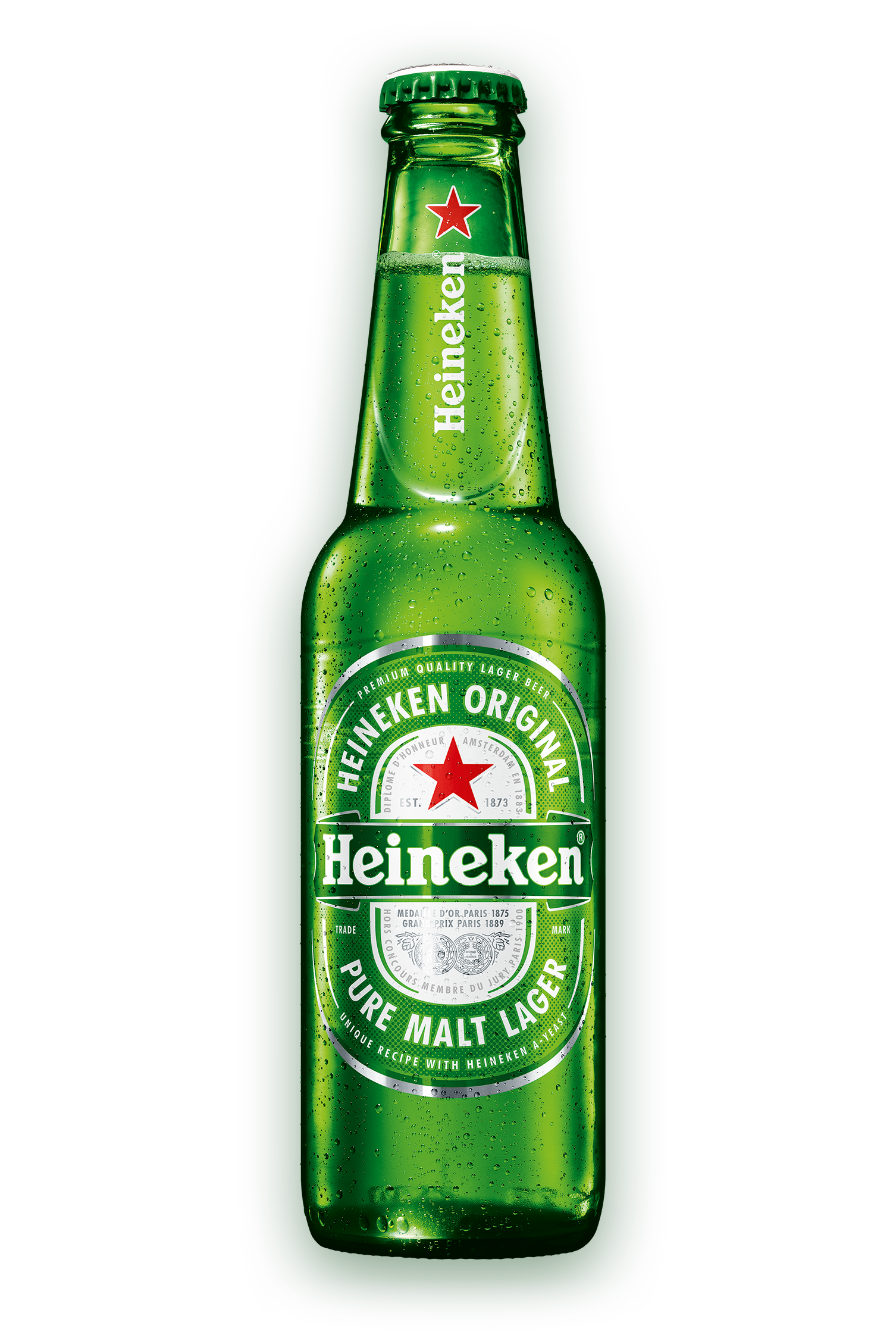
Heineken Original
Consistency, marketing and distribution at genuinely planetary scale.

La Trappe
Koningshoeven Abbey’s living Trappist tradition and community purpose.
The United States: the world’s beer traditions, with room for another idea
American beer is a wonderfully busy meeting place for European traditions and homegrown ideas. German lagers, British pale ales, Belgian wheat beers and Czech pilsners all find enthusiastic interpreters. American hops, local ingredients and a restless appetite for experimentation add more possibilities. The familiar light lager is one technically impressive chapter; the shelves and tap lists now contain a whole library.
Small neighbourhood taprooms, established regional producers and large breweries all contribute. Big operations make consistent favourites widely available; smaller ones offer seasonal discoveries and close connections to their communities. California, Michigan, Maine and Oregon each have exceptional flavours to explore. Regional identity can flourish through several styles, even within one brewery.
California’s Sierra Nevada Pale Ale, first brewed in 1980, gave Cascade hops a memorable grapefruit-and-pine voice over welcoming malt. Russian River’s Pliny the Elder turns the double IPA into an exercise in freshness and proportion. Michigan’s Bell’s Two Hearted, named for a local river, lets Centennial hops shine with grapefruit, pine and a firm malt foundation. Three beers, three excellent reasons to pause over the aroma.
Maine’s Allagash White brings Belgian inspiration into a soft, citrusy wheat beer with coriander and orange peel; Rob Tod made that style central to his new brewery in 1995. Oregon’s Deschutes, founded in Bend in 1988, offers Black Butte Porter’s chocolate-and-coffee depth alongside Fresh Squeezed IPA’s juicy hop character. Europe supplies the family resemblance; these breweries give it a distinctly American address.
Hazy IPAs, barrel-aged beers, modern sours and dessert-inspired stouts keep widening the menu. Athletic’s alcohol-free brewing explores how much flavour and ritual can remain with very little alcohol, adding more occasions to enjoy a beer. Borrowing an idea can be the beginning of another invention. Ask what American beer tastes like and you may need a tasting flight, a map and a pleasantly long afternoon. My kind of geography lesson.
United States · The visual shelf
A regional tasting tour: California, Michigan, Maine and Oregon

Sierra Nevada Pale Ale
The Cascade-hop grammar lesson that helped launch modern American pale ale.

Bell’s Two Hearted Ale
Centennial hops throughout: grapefruit, pine and unusually disciplined focus.
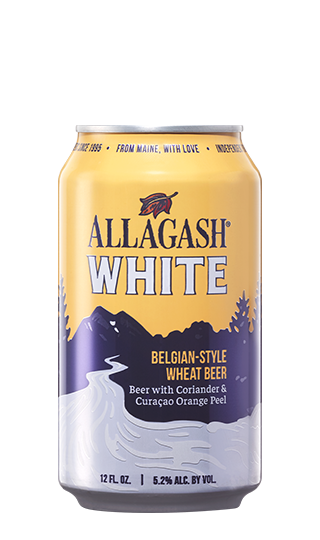
Allagash White
Maine’s persuasive translation of Belgian witbier into American craft.

Deschutes Black Butte Porter
Oregon’s dark-malt favourite: roasted depth, chocolate and coffee.

Deschutes Fresh Squeezed IPA
The American instinct to put a fruit market’s aroma into a hop-forward IPA.

Russian River Pliny the Elder
California’s celebrated double IPA: floral, citrus and pine in balance.

Athletic Run Wild IPA
Another way to enjoy American hop character, with alcohol-free brewing at centre stage.
VI · Pleasure without the performance
How to develop good taste in beer without becoming unbearable
Good taste begins with attention and curiosity. Ask what the beer is trying to do and whether it suits the moment: Hofbräu in Munich, Ghost Ship near the Suffolk coast, Leffe with cheese or Pliny close to its brewery. Buy hop-forward beer fresh, use a clean glass and smell before the first sip. Let richer ales warm a little and leave room for foam. A nose, a palate and an opinion will get you started.
Taste in comparisons: Czech lager beside German pils, Duvel beside a tripel, British bitter beside American pale ale, Allagash White beside a Belgian wit. Notice bread, citrus, spice, sweetness, bitterness and texture. Describing what you taste teaches more than chasing a decimal-point rating. Context helps too: haze may belong in a wheat beer, earthy character in Orval, a creamy head in a Czech pour.
Your favourite needs no impressive price or backstory. A fresh everyday lager deserves the same curiosity as a rare bottle. If it tastes good in that place, with that food, on that evening, it has made a strong case for itself. Develop your palate, keep trying things and remain enjoyable to drink with. Nobody ordered a pint in hopes of an oral examination.
VII · The money beneath the foam
An ancient craft inside a concentrated global business
Behind a local-looking label may sit a family, an abbey, a state-owned brewery or an international group. The global business is concentrated: BarthHaas’s production ranking puts the forty largest groups at 87.4 percent of world output. AB InBev and Heineken operate on a scale a neighbourhood taproom can barely imagine. Leffe, Budvar, Hofbräu and La Trappe remind us how many ownership stories beer can carry.
Scale brings technical expertise, consistency and distribution; independence can bring local relationships and freedom to explore. Both contribute to the glass. Bell’s now sits within New Belgium, Lion and Japan’s Kirin, while Two Hearted remains a much-loved beer. Formal craft definitions emphasise smallness and independence; drinkers also use the word for flavour and attitude. Ownership and taste are interesting questions to ask separately.
Getting beer to drinkers is part of the craft’s survival. American breweries usually reach shops through wholesalers, with rules and exceptions varying by state. Shelf space, tap handles and distribution therefore matter alongside the recipe. Joining a larger group can widen a beer’s reach; keeping a distinctive range and a sense of place is part of the challenge. Variety depends on both invention and somewhere to find it.
In mature markets, changing tastes and the cost of running a business make hospitality especially valuable. A welcoming taproom, food, events and dependable favourites can matter as much as another new can. Pubs and cafés support jobs and give beer culture somewhere to happen. The promising local brewery may be a great place to visit with a brewhouse attached. An excellent pint and somewhere you want to stay make a persuasive business partnership.
VIII · Conviviality with an asterisk
Why people enjoy beer—and where the romance must stop
Beer is very good at making an ordinary moment feel like an occasion: the end of work, food arriving, a match finished or a hike completed. Malt satisfies, bubbles refresh and another flavour gives everyone something to discuss. Its often modest strength can suit a leisurely evening, although modern strong ales ask for a different pace. Sometimes the most important tasting note is that the evening became more fun.
Pubs, beer gardens, monastery cafés and taprooms give that pleasure a setting. The welcome, food, repeated visits and familiar rituals do plenty of the work. Alcohol-free beers join with flavours of their own; Athletic, Ghost Ship and European 0.0 lagers make more occasions possible. Enjoying beer need not depend on alcohol being the main attraction.
The romance has a sensible limit: beer is a pleasure, and alcohol carries health risks. A strong Belgian ale and a light lager can put very different amounts of alcohol in similar-looking glasses. Know the strength and serving size, take your time, enjoy some food and plan the journey home. Give everyone room to choose their own drink. The aim of a tasting evening is to enjoy the possibilities and remember your favourites.
The tasting flight is an invitation to explore. The best souvenir is finding a new favourite.
IX · The next round
Where beer goes next
The next round is likely to favour distinctive flavour and enjoyable occasions as much as sheer volume. Better alcohol-free beers, revived regional styles and welcoming taprooms all offer possibilities. Athletic, Ghost Ship and Europe’s 0.0 offerings show how much variety can fit into the category. A familiar Helles and another experiment belong on the same menu. Novelty earns a first try; a beer you trust earns a return visit.
The future starts in the fields as well as the brewery. Warmer conditions and changing water supplies are prompting hop and barley growers to adapt; brewers are working on water use, energy, packaging and transport. The practical choices matter more than picturesque artwork on the can. Beer has been responding to its surroundings for thousands of years. There is plenty of inventiveness to bring to the next chapter.
The basic transformation still astonishes me: grain, water, a climbing flower and microbes can become bread, pepper, banana, coffee, grapefruit, smoke or cherries in a glass. My ideal future keeps patient traditions, cheerful inventions and brewers who care about both. A pink elephant, a smoky Märzen, a Czech lager and an American hop adventure all deserve a place in the tasting flight. Choosing just one favourite seems unnecessarily final.
A monk, a devil and a pink elephant started this journey. Along the way, they picked up a Czech tapster, a British publican, a Bavarian festival band and an American brewer with another idea about hops. By the end, they were all a little drunk, swapping glasses, discovering favourites and laughing far too loudly about which beer deserved the next round. The perfect pint? That debate could wait. They were having far too much fun tasting the possibilities.
Primary sources, data and further reading
- Abydos Royal BreweryThe excavation project’s overview of the c. 3000 BCE industrial-scale royal brewery and its research context.
- Revealing a 5,000-year-old beer recipe in ChinaPNAS research on the Mijiaya brewing installation and residues.
- Plan of Saint Gall, Cod. Sang. 1092The Stiftsbibliothek St. Gallen’s digitization and description of the ninth-century ideal monastery plan.
- Celtic and Egyptian beer-production traditions and early Western monasteriesMax Nelson’s historical correction to simplified claims that monasteries invented hopped or large-scale brewing.
- The Rule of St. BenedictPrimary monastic text on work, hospitality, wine and restraint.
- International Trappist Association: ATP criteriaThe authoritative production, supervision and profit-destination requirements.
- UNESCO: beer culture in BelgiumCultural-practice context rather than a commercial style guide.
- BJCP 2021 beer style guidelinesA useful sensory taxonomy, not a universal legal specification.
- German Brewers Association: Reinheitsgebot questions and answersHistorical text, modern law and common misconceptions.
- Pilsner Urquell: ingredients and brewing traditionThe brewery’s account of 1842, triple decoction, Saaz hops and Plzeň production.
- Bell’s Two Hearted AleOfficial ingredients, strength and Centennial-hop profile.
- European Beer Trends 2025Country production, consumption, per-capita, on-trade and brewery-count data.
- Kirin global beer consumption by country in 2024Global and national volume estimates, including Czech per-capita consumption.
- BarthHaas Report 2024/2025World production, hop markets and the top-forty brewer concentration ranking.
- Brewers Association national beer statisticsU.S. craft volume, share and retail-value estimates.
- WHO: alcohol and cancerPublic-health evidence and risk communication.
- NIAAA: what is a standard drink?Alcohol-content examples and the 14-gram U.S. standard.
- Climate pressure on European aroma hopsPeer-reviewed projections for hop yield and alpha-acid changes through 2050.
- Oktoberfest: history of the WiesnThe 1810 royal wedding, the Theresienwiese and the evolution of the festival.
- Oktoberfest 2025: official festival reportOfficial estimates of 6.5 million visitors and 6.5 million litres of beer.